Termite Tenting in Wilmington, NC
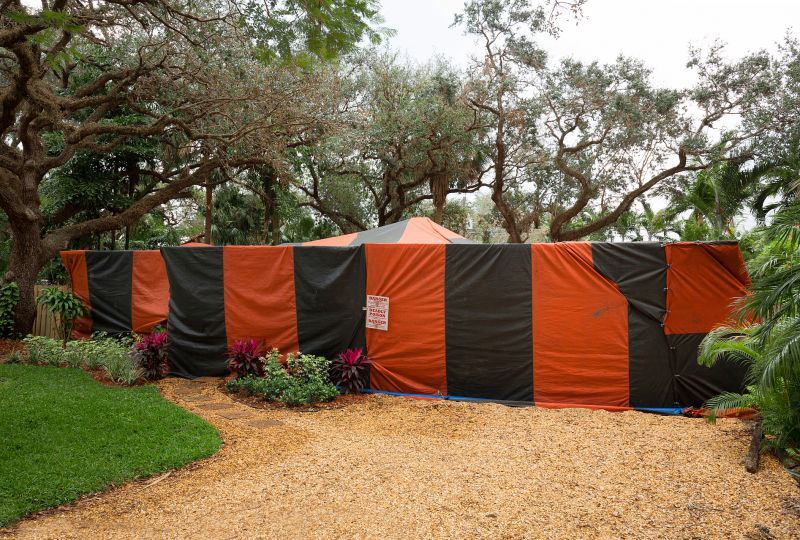
Termite tenting services involve the strategic use of gas to eliminate termite colonies within a property. This process typically covers entire residential or commercial structures, especially when infestations are widespread or difficult to treat with localized methods. Property owners considering termite tenting often want to understand the scope of the treatment, including how the process affects the building’s contents, the preparation required beforehand, and any necessary safety precautions during and after the procedure.
Before requesting termite tenting, homeowners should assess whether their property is suitable for this method, which often involves temporarily vacating the premises. It’s also important to consider the extent of the infestation and whether other treatment options might be appropriate. Understanding the potential impact on household belongings and the need for post-treatment ventilation can help property owners plan effectively for a successful termite elimination process.
Many property owners in Wilmington, NC look into Termite Tenting for repairs, replacements, upgrades, and appearance-related improvements.
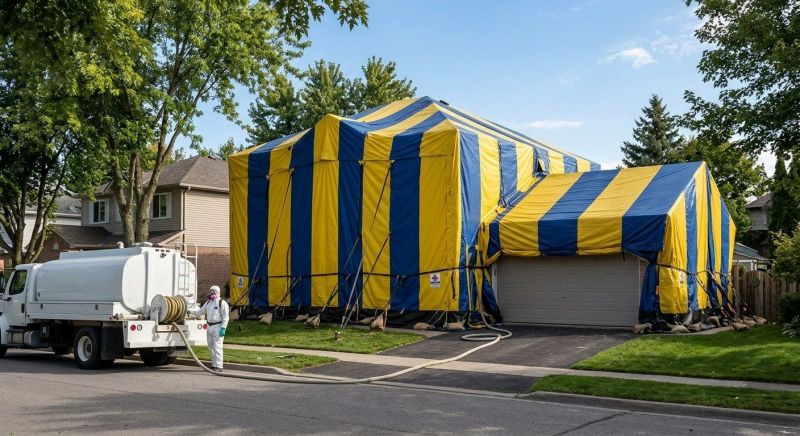
Termite Tenting Overview
A comprehensive treatment method to eliminate termites from residential and commercial properties.
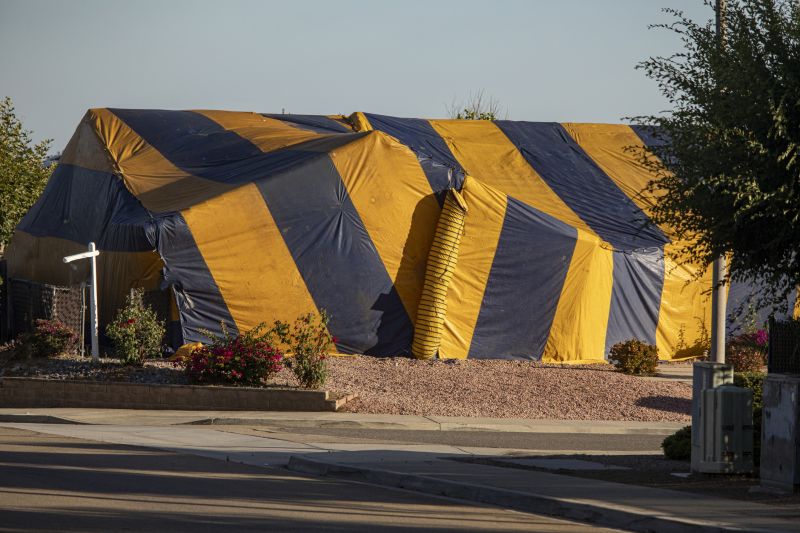
Preparation And Safety
Proper preparation ensures safety and effectiveness during the termite tenting process.
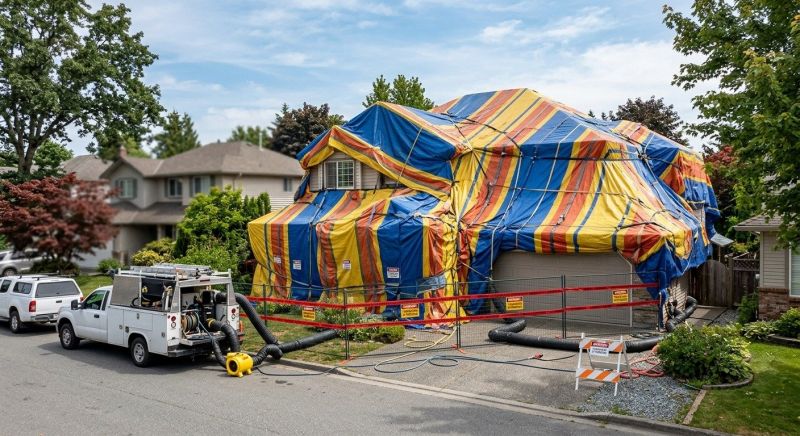
Post-Treatment Care
Guidance on property inspection and prevention measures after termite tenting is completed.
Termite Tenting in Wilmington, NC

Termite tenting services involve the strategic use of gas to eliminate termite colonies within a property. This process typically covers entire residential or commercial structures, especially when infestations are widespread or difficult to treat with localized methods. Property owners considering termite tenting often want to understand the scope of the treatment, including how the process affects the building’s contents, the preparation required beforehand, and any necessary safety precautions during and after the procedure.
Before requesting termite tenting, homeowners should assess whether their property is suitable for this method, which often involves temporarily vacating the premises. It’s also important to consider the extent of the infestation and whether other treatment options might be appropriate. Understanding the potential impact on household belongings and the need for post-treatment ventilation can help property owners plan effectively for a successful termite elimination process.
Many property owners in Wilmington, NC look into Termite Tenting for repairs, replacements, upgrades, and appearance-related improvements.
Common Termite Tenting Jobs
Termite Tenting - a treatment method that involves sealing a property with a tent for fumigation.
Whole-structure fumigation - used to eliminate termites throughout an entire building.
Pre-construction tenting - applied before new construction to prevent termite infestations.
Post-attack tenting - performed after termite activity is detected to eradicate colonies.
Infestation prevention - tenting can be part of ongoing pest management strategies.
Property protection - helps safeguard homes and commercial buildings from termite damage.

Termite Tenting Questions
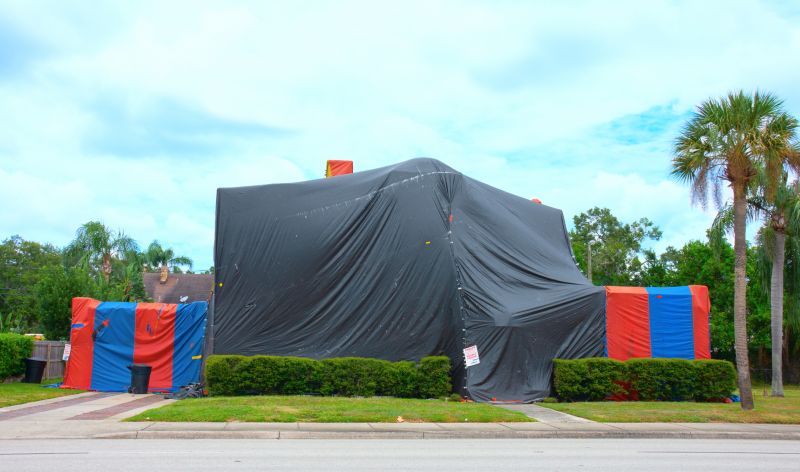
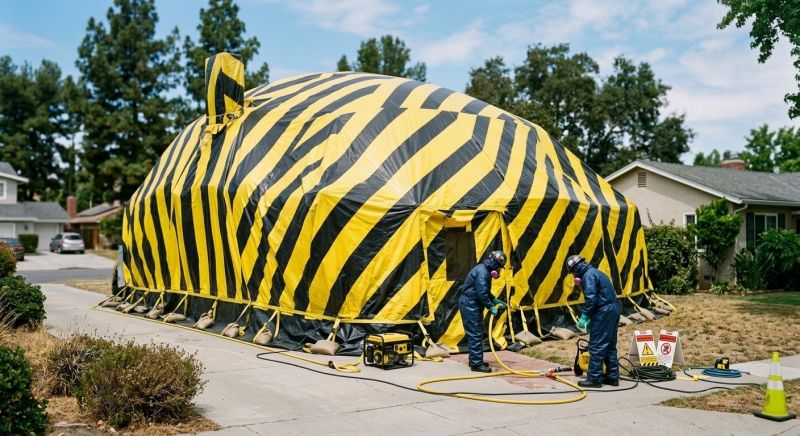
What is termite tenting? Termite tenting involves covering a property with a large tarp and releasing gas to eliminate termites throughout the structure.
When is tenting recommended? Tenting is typically used when there is a significant termite infestation that cannot be controlled with spot treatments alone.
Is the property safe to enter after tenting? The property must remain unoccupied during the fumigation process and until the gas has fully dissipated, ensuring safety before re-entry.
What types of properties can be treated with tenting? Tenting is suitable for residential homes, multi-family buildings, and larger properties with extensive termite damage.
Request Termite Tenting in Wilmington, NC
Use the quote form on this page to share the basics of your project and request more information for the type of work you need.