How Mice and Rodents Impact Commercial Buildings and Operations
Commercial mice and rodent control aims to prevent damage, health risks, and operational disruptions caused by pests, with local service providers ready to handle these issues effectively.
Understanding how mice and rodents impact commercial buildings and operations is essential for property owners seeking to maintain a safe and efficient environment. These pests can cause more than just minor nuisances; they pose serious risks to health, safety, and overall business continuity. By exploring this topic, property owners can gain practical insights into the potential consequences of rodent activity, such as contamination of food supplies, damage to wiring and infrastructure, and the spread of disease. Recognizing these impacts highlights the importance of proactive management and connects property owners with local service providers equipped to handle comprehensive mice and rodent control solutions.
For those managing commercial spaces, addressing rodent issues promptly can prevent costly damages and operational disruptions. Local contractors specializing in commercial mice and rodent control offer tailored services designed to identify entry points, eliminate infestations, and implement preventative measures. Keeping these pests out of buildings not only protects assets but also supports a safe environment for staff and visitors. Continuing to explore how mice and rodents impact commercial buildings and operations can help property owners make informed decisions and connect with trusted local experts who can address these challenges effectively.
- Commercial mice and rodent control services are essential when signs of rodent activity threaten to disrupt operations or compromise hygiene standards, with local contractors providing targeted trapping and exclusion strategies.
- Businesses dealing with rodent infestations that threaten food safety or violate health regulations can rely on local service providers to implement effective pest management solutions.
- When rodents cause damage to building structures, wiring, or stored inventory, local pros can assess the extent of the issue and recommend appropriate removal and prevention methods.
- In cases where ongoing rodent activity impacts employee health or customer perception, local contractors offer tailored control plans to address the problem promptly.
- Property managers seeking to prevent future infestations often turn to local pest control specialists for comprehensive exclusion and sanitation measures.
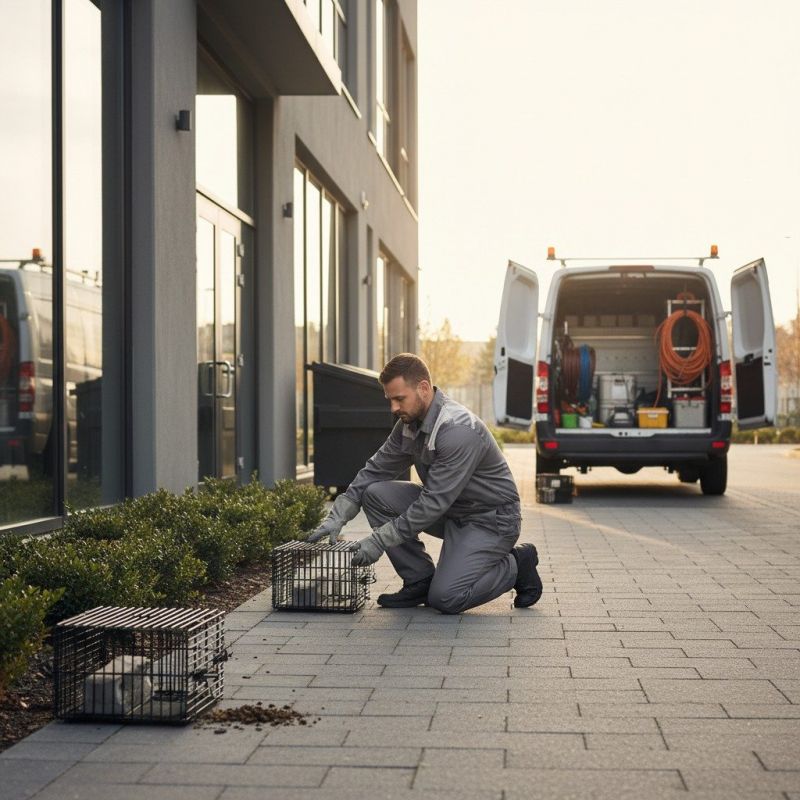
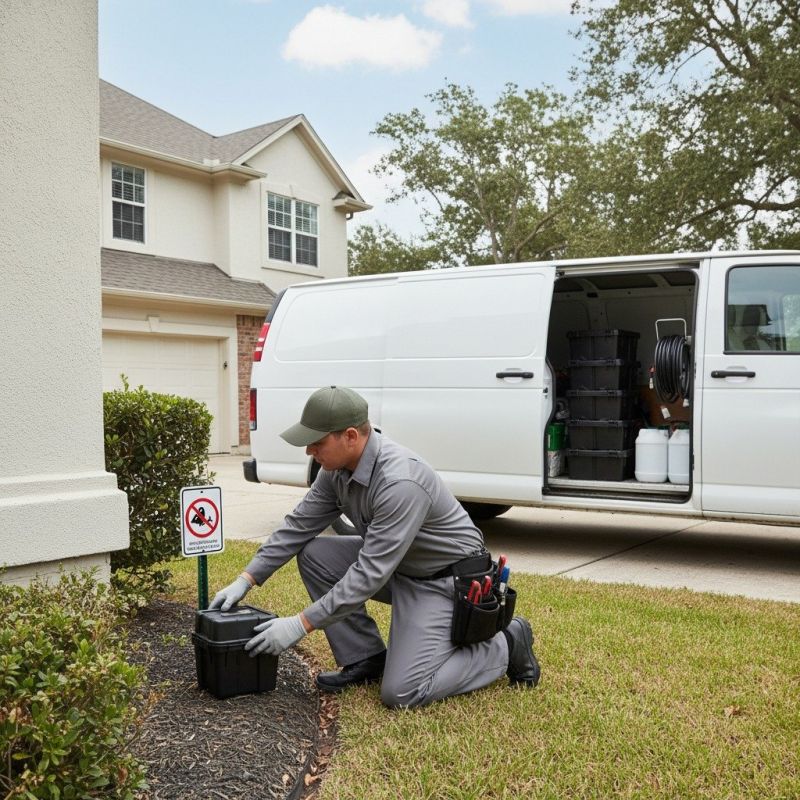

When people search for how mice and rodents impact commercial buildings and operations, they are often trying to understand the various ways these pests can cause problems in a business environment. This concern typically arises from noticing signs of rodent activity, such as droppings, gnaw marks, or strange odors, or from experiencing issues like product contamination or damage. Business owners, property managers, or facility operators may be investigating the risks rodents pose to their operations, including health concerns, structural damage, or potential disruptions to daily activities. Understanding these impacts helps them recognize the importance of addressing rodent problems promptly and effectively to maintain a safe and efficient workplace.
The problems associated with mice and rodents in commercial settings often extend beyond simple nuisance issues. They can threaten product quality, especially in food processing, storage, or manufacturing facilities, where contamination can lead to regulatory violations or product recalls. Rodent infestations can also cause damage to building infrastructure, such as wiring, insulation, and structural supports, which may result in costly repairs or safety hazards. Additionally, rodents are known carriers of diseases that can pose health risks to employees and customers. Addressing these concerns typically involves developing comprehensive pest management plans that include regular inspections, sanitation improvements, and targeted control measures, all of which local service providers can assist with.
Certain types of properties are more susceptible to rodent activity, including warehouses, retail stores, restaurants, and office buildings with accessible entry points or food storage areas. Industrial facilities with large open spaces and storage units often provide ideal nesting sites and abundant food sources for mice and rodents. Commercial properties that experience high foot traffic or have less frequent maintenance may also be more vulnerable to infestations. Recognizing the specific risks associated with these property types helps business owners understand how rodent activity can directly impact their operations and why engaging local contractors experienced in commercial pest control is a practical step toward safeguarding their property.
For property owners and managers, understanding how mice and rodents impact commercial buildings and operations highlights the importance of proactive pest management. Local service providers specializing in commercial rodent control can evaluate the unique needs of each property, identify entry points or attractants, and implement targeted strategies to prevent or eliminate infestations. Connecting with these professionals ensures that businesses can address rodent issues effectively, minimizing disruptions, protecting assets, and maintaining a safe environment for employees and customers. Proper pest control not only resolves existing problems but also helps establish ongoing protection against future infestations, supporting the smooth operation of commercial facilities.
Commercial pest management projects - These projects involve integrated pest control strategies that address rodent infestations, requiring planning and coordination similar to mice and rodent impact mitigation in commercial settings.
Building inspection and assessment services - Inspections for structural vulnerabilities and pest entry points align with evaluating how mice and rodents impact commercial buildings and operations.
Warehouse and storage facility pest control - Managing pests in storage environments involves understanding rodent behavior and prevention methods akin to those used in commercial mouse control programs.
Facility sanitation and sanitation consulting - Improving cleanliness and sanitation practices helps reduce rodent attractants, paralleling efforts to minimize mice and rodent impacts in commercial spaces.
Exclusion and proofing projects - Sealing entry points and reinforcing building defenses are essential steps in preventing mice and rodents from impacting operations.
Integrated building maintenance planning - Coordinating structural repairs and pest prevention measures requires planning skills similar to those used in controlling mice and rodents in commercial properties.

When evaluating service providers for commercial mice and rodent control, it’s important to consider their experience with similar projects. A contractor with a history of working in commercial settings will better understand the unique challenges these environments present, such as high foot traffic, food storage, or sensitive equipment. Asking about their past work with buildings of comparable size and industry can provide insight into their familiarity with the specific issues that mice and rodents cause in these settings. This experience can help ensure that the chosen contractor is equipped to handle the scope and complexity of the problem effectively.
Clear written expectations are essential when selecting a service provider for rodent control. A reputable contractor should be able to outline the scope of work, methods used, and follow-up procedures in straightforward terms. This transparency helps prevent misunderstandings and ensures that the homeowner understands what services will be provided and what results to expect. Establishing these expectations upfront can contribute to a smoother process and more effective management of how mice and rodents impact commercial buildings and operations.
Reputable references and good communication are key factors in choosing a reliable contractor. References from other commercial clients can offer valuable insights into the contractor’s professionalism, reliability, and success in resolving rodent issues. Additionally, a service provider who maintains open, clear communication can better address questions, adapt to specific needs, and keep the property owner informed throughout the process. These qualities help build confidence that the contractor will deliver quality service and effectively manage the impact of mice and rodents on the building’s operations.
Property owners often search for how mice and rodents impact commercial buildings and operations when they are planning practical projects around their homes and businesses. Local pros provide Commercial Mice and Rodent Control services for everyday jobs and straightforward project options.

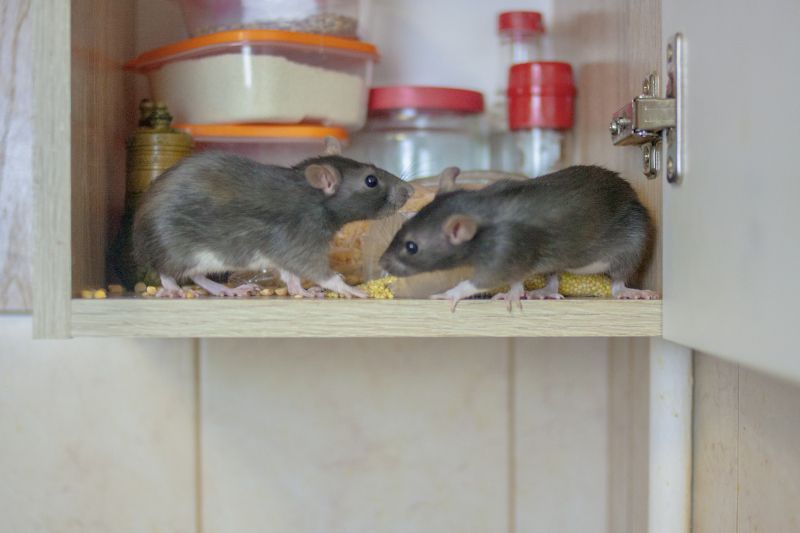
Mice and rodents can pose significant challenges for commercial buildings, often leading to disruptions in daily operations. In busy environments such as warehouses, restaurants, or office spaces, these pests can quickly establish nests, contaminating food supplies, damaging wiring, and creating unsanitary conditions. Property owners might look into this topic to understand the risks mice and rodents pose to their business continuity and to explore effective control options. Local contractors specializing in commercial rodent control can assess the specific needs of a building, identify entry points, and implement targeted strategies to prevent infestations before they escalate.
Beyond immediate health concerns, rodents can also impact the reputation of a business if an infestation becomes visible or causes damage. For owners managing commercial spaces, understanding how mice and rodents impact operations helps in making informed decisions about pest management. Service providers in the area can offer tailored solutions to address these issues, helping to maintain a safe, clean environment that supports ongoing business activities. Connecting with local experts ensures that pest problems are handled efficiently, reducing the risk of future disruptions and property damage.
How do mice and rodents affect commercial buildings and operations? Mice and rodents can cause structural damage, contaminate food supplies, and spread diseases, leading to health risks and operational disruptions in commercial settings.
What are the common signs of rodent activity in a commercial building? Signs include droppings, gnaw marks, shredded materials, and unusual odors, which indicate the presence of mice or rodents needing professional attention.
Why is it important to address rodent infestations promptly? Early intervention helps prevent extensive damage, reduces health hazards, and minimizes the risk of rodents affecting daily business operations.
How can local service providers help control mice and rodent problems? They offer targeted inspection, effective trapping, exclusion methods, and ongoing prevention strategies to protect commercial properties from infestations.
What are the risks of neglecting mice and rodent control in commercial buildings? Ignoring infestations can lead to costly repairs, regulatory issues, compromised product safety, and potential health violations impacting business reputation.
Identify entry points - property owners can work with local contractors to inspect buildings for small openings that allow mice and rodents to enter, helping prevent infestations.
Implement sanitation practices - maintaining clean storage and food areas reduces attractants, with local pros assisting in establishing effective waste management strategies.
Set targeted traps and bait stations - professionals can assist in placing traps in strategic locations to control existing rodent populations and monitor activity.
Develop ongoing monitoring plans - partnering with local service providers ensures regular inspections and timely interventions to minimize disruptions caused by mice and rodents.
If you are thinking about how mice and rodents impact commercial buildings and operations for a property, this guide is meant to help you understand this topic, the typical project types, and how different options might fit your plans.
When you are ready, you can use the quote form on this page to share a few details about your project. From there, local pros can review the basics and follow up with options that match what you have in mind.